Chronic joint pain, tendon injuries, and arthritis can make work, exercise, and daily movement difficult. Many patients researching non-surgical orthopedic treatment in Houston ask the same question: is PRP worth it?
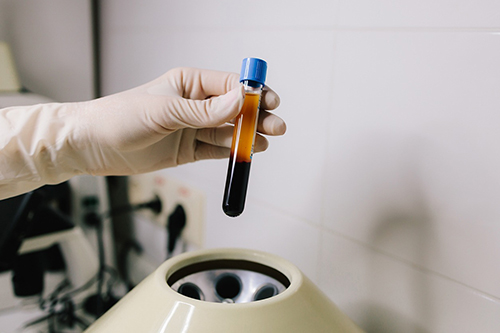
Platelet-rich plasma therapy, also called PRP, uses a concentration of platelets prepared from the patient's own blood, the same Advanced Platelet Rich Plasma technique central to Dr. Weglein's regenerative medicine practice. Platelets contain growth factors involved in the body's normal healing response. When PRP is injected into an injured tendon, ligament, muscle, or joint, the goal is to support healing and improve function without surgery when appropriate.
Whether PRP is worth it depends on the diagnosis, severity of the condition, previous treatment, activity goals, and individual response. It may be a valuable option for some patients, but it is not a guaranteed cure or the right treatment for every injury.
PRP therapy may be worth considering for patients with chronic joint pain, mild-to-moderate arthritis, or tendon and ligament injuries that have not improved with conservative treatment. A sports medicine evaluation can determine whether PRP is appropriate for your condition.
What Is PRP Therapy and How Does It Work?
PRP therapy begins with a small blood draw. The blood sample is processed to concentrate the platelets, creating platelet-rich plasma, as described on the PRP Therapy page. The PRP is then injected into the area of injury or pain.
Dr. Adam Weglein uses ultrasound guidance to help visualize the targeted tissue and guide the injection accurately. This real-time imaging can be useful when treating tendons, ligaments, muscles, and joints because it helps place the PRP in the intended location.
PRP is a minimally invasive procedure performed in the office. The treatment plan, including whether one injection or a series may be appropriate, depends on the patient's diagnosis and clinical evaluation.
What Are the Benefits of PRP Treatment in Houston?
The potential benefits of PRP treatment include a non-surgical approach, use of the patient's own blood, and targeted treatment for certain musculoskeletal conditions. PRP may support the body's natural healing response in damaged or irritated tissue.
For appropriate candidates, PRP may help reduce pain, improve mobility, and support a gradual return to daily activities, exercise, or sports. It is often considered when rest, physical therapy, and other conservative treatments have not provided enough improvement.
Results vary. PRP is not an instant treatment, and improvement often develops gradually over several weeks or months. A physician should explain the expected benefits, possible limitations, and alternatives before treatment — many patients describe their own experience in the practice's patient testimonials.
What Conditions Can PRP Injections Treat?
PRP may be considered for several orthopedic conditions, including knee arthritis, hip arthritis, tendon injuries, tennis elbow, golfer's elbow, shoulder tendon problems, rotator cuff inflammation, Achilles tendon pain, patellar tendon pain, mild ligament sprains, and chronic joint pain. A full list of treatable issues is covered under conditions we treat.
Patients with a meniscus injury may also ask whether PRP can help. For certain stable or degenerative meniscus conditions, it may be discussed as part of a non-surgical treatment plan. However, a displaced tear, locked knee, severe instability, or associated ligament injury may need a different treatment approach.
The most important step is identifying the true source of pain. A comprehensive sports medicine evaluation helps distinguish among arthritis, tendon injury, ligament injury, meniscus problems, and other causes of joint pain, guided by the full range of treatments offered at the clinic.
Is PRP Worth It for Knee Arthritis in Houston?
PRP may be worth considering for some patients with mild-to-moderate knee arthritis who want to explore a non-surgical option through non-surgical arthritis treatment. Knee arthritis occurs when cartilage gradually wears down, which can lead to pain, swelling, stiffness, and reduced movement.
PRP may help manage symptoms and support function in appropriately selected patients. It does not regrow a severely damaged joint or replace the need for surgery in every case. Patients with advanced bone-on-bone arthritis, significant deformity, or severe functional limitations may need to discuss other treatment options as well.
A personalized assessment helps determine whether PRP, physical therapy, medication, viscosupplementation, or another treatment better matches the patient's knee condition and goals.
PRP vs. Cortisone Injections: What Is the Difference?
Cortisone injections are often used to reduce inflammation and may provide faster short-term symptom relief. PRP has a different purpose. It uses a concentration of the patient's own platelets with the aim of supporting the body's repair response.
The best option depends on the diagnosis and treatment goals. Some patients may benefit from a short-term anti-inflammatory approach, while others may prefer to explore PRP for chronic tendon, ligament, or joint symptoms, or complementary options like trigger point injections or Prolotherapy. A physician can explain which option is more appropriate and whether either treatment should be avoided based on your medical history.
Who Is a Good Candidate for PRP Treatment in Bellaire and Houston?
A patient may be a candidate for PRP if they have chronic joint or tendon pain, mild-to-moderate arthritis, a stable ligament or tendon injury, or symptoms that have not improved with rest and physical therapy. Patients who want to explore non-surgical orthopedic treatment may also consider PRP after a thorough evaluation at the Bellaire practice location.
PRP is not appropriate for every person or every injury. The treatment decision should consider the diagnosis, imaging findings, medical conditions, medications, activity demands, and realistic expectations. A good candidate understands that PRP may support recovery but does not guarantee complete healing.
What Should You Expect After a PRP Injection?
Mild soreness or swelling after a PRP injection is common. Your physician may recommend temporary activity changes while the treated tissue begins to recover. High-impact activity may be restricted for a period of time, depending on the condition being treated.
A rehabilitation plan may include gradual movement, strengthening exercises, and a structured return to exercise or sports. Some patients notice changes within several weeks, while continued improvement may occur over the following months. Follow-up helps determine whether the treatment is working and whether additional care, such as Bone Regenerative Injection Technique or Platelet Poor Plasma (PPP), is needed.
Is PRP Treatment Safe?
Because PRP is prepared from the patient's own blood, allergic reactions are uncommon. Temporary pain, swelling, or soreness at the injection site can occur. As with any injection procedure, there are potential risks, which should be discussed during your consultation.
Using sterile technique, proper patient selection, and image guidance when appropriate are important parts of safe treatment. Patients should share their complete medical history and medication list before PRP treatment, new patients can review the patient forms in advance.
Frequently Asked Questions
Q. How long does PRP take to work?
PRP results are usually gradual. Some patients notice improvement within several weeks, while others may continue to improve over several months.
Q. Is PRP worth it for chronic tendon pain?
PRP may be worth considering for chronic tendon pain that has not improved with rest, activity modification, or physical therapy. A physician can determine whether the condition is suitable for PRP.
Q. How many PRP injections do I need?
Some patients may benefit from one treatment, while others may need more than one injection. The number depends on the condition, severity, and response to treatment.
Q. Can PRP help avoid surgery?
For some mild-to-moderate orthopedic conditions, PRP may help patients delay or avoid surgery. It is not a replacement for surgery when a condition requires surgical repair.
Q. Is PRP covered by insurance?
PRP coverage varies and is often considered an elective treatment. The office can explain the financial details during your consultation. See the full FAQs page for more common patient questions.
Dr. Adam Weglein, D.O. is a board-certified, fellowship-trained specialist in Regenerative Orthopedics and non-surgical sports medicine. As the first certified Prolotherapy physician in central Houston, he has treated over 8,000 patients using advanced PRP combination therapy. Registered in Musculoskeletal Sonography (RMSK), Dr. Weglein utilizes precision ultrasound guidance to ensure the highest clinical outcomes. He remains an international leader in orthobiologics, dedicated to helping patients avoid surgery through innovative, autologous healing techniques.