Persistent tendon pain can quietly limit everything from morning workouts to simple daily tasks, often resisting rest, medications, and conventional therapy. Many people across Houston, Texas are now exploring advanced, non-surgical solutions that support the body’s natural healing process rather than simply masking symptoms. One such option is Platelet-Rich Plasma therapy, and understanding how it works can help patients make more informed decisions about tendonitis treatment in Houston.
Why Tendonitis is So Common in Active Houston Lifestyles
Tendonitis develops when tendons become irritated due to repetitive strain, overuse, or sudden injury. It frequently affects the shoulder, elbow, knee, and Achilles tendon. Because tendons receive limited blood supply, healing tends to be slow, which is why symptoms often linger.
In a city like Houston, Texas, where many individuals maintain active routines that include sports, fitness training, and physically demanding work, tendonitis is a frequent concern. Patients often experience recurring discomfort that signals incomplete healing rather than a temporary issue.
What is PRP Therapy and How Does it Support Healing?
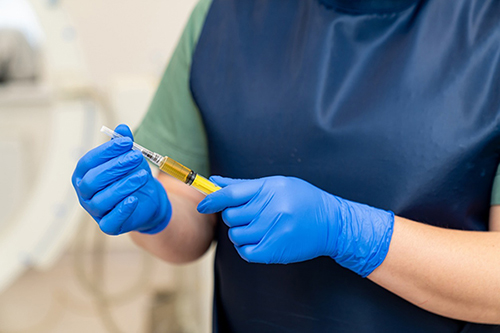
Platelet-Rich Plasma therapy is a regenerative treatment that uses a concentrated portion of the patient’s own blood to promote healing. The process involves drawing a small amount of blood, isolating the platelet-rich component, and injecting it directly into the injured tendon.
For patients in Houston seeking alternatives to surgery, PRP has become an increasingly discussed option because it uses natural growth factors to stimulate tissue repair and reduce inflammation. This approach focuses on restoring tendon health instead of only addressing pain symptoms.
How Effective is PRP for Tendonitis?
PRP therapy has shown promising results for individuals dealing with chronic tendonitis, especially when traditional treatments have not provided lasting relief. Conditions such as tennis elbow, rotator cuff tendonitis, jumper’s knee, and Achilles tendon issues are commonly treated using this approach.
Many patients undergoing PRP treatment in Houston, Texas report gradual improvement over several weeks as the tendon begins to repair itself. While results are not immediate, they tend to be more sustainable compared to short-term solutions like corticosteroid injections.
Effectiveness can vary depending on factors such as the severity of the condition, overall health, and adherence to post-treatment rehabilitation. When combined with structured physical therapy and activity modification, outcomes are often significantly improved.
PRP Compared to Conventional Treatment Options
Traditional tendonitis treatments typically include rest, anti-inflammatory medications, bracing, and physical therapy. While these methods are helpful in managing symptoms, they may not always resolve the underlying tendon damage.
PRP therapy offers a different approach by encouraging regeneration at the cellular level. In many Houston practices focused on sports medicine and joint preservation, PRP is considered as part of a comprehensive care plan rather than a standalone solution. It is particularly appealing for patients who want to avoid or delay surgical intervention.
What Patients in Houston Can Expect During PRP Treatment
PRP therapy is usually performed as an outpatient procedure and does not require significant downtime. The process includes blood collection, preparation, and a guided injection into the affected tendon.
After treatment, mild soreness may occur for a few days. Most patients begin to notice improvement within a few weeks, with continued progress over the following months. In Houston, Texas, physicians often recommend combining PRP with targeted rehabilitation programs to restore strength and function effectively.
Who is a Good Candidate for PRP?
PRP therapy is generally suitable for individuals with chronic tendonitis that has not responded to conservative treatments. It is especially beneficial for active adults in Houston who want to return to their normal routines without undergoing surgery.
However, it may not be ideal for severe tendon tears or certain medical conditions. A detailed clinical evaluation helps determine whether PRP is the most appropriate option.
Frequently Asked Questions
Does PRP work for tendonitis in Houston, Texas?
Yes, PRP has been effective for many patients in Houston by promoting natural healing of the tendon rather than just reducing inflammation.
How long does PRP take to heal tendonitis?
Patients typically notice improvement within a few weeks, with continued healing over two to three months.
Is PRP better than steroid injections for tendonitis?
PRP focuses on long-term tendon repair, while steroid injections mainly provide temporary pain relief.
Is PRP treatment safe?
Because PRP uses the patient’s own blood, it is generally considered a safe and low-risk procedure.
How many PRP treatments are needed for tendonitis?
Most patients require one to three sessions depending on the severity of their condition and their response to treatment.
A Smarter Approach to Tendon Pain Relief
For those dealing with persistent tendonitis in Houston, Texas, PRP therapy offers a modern, minimally invasive option that aligns with long-term recovery goals. By focusing on healing rather than temporary symptom control, it provides a pathway toward improved function and reduced pain. Seeking a professional evaluation can help determine whether PRP is the right fit for your specific condition.
Authorship: Dr. Adam Weglein, D.O. is a board-certified, fellowship-trained specialist in Regenerative Orthopedics and non-surgical sports medicine. As the first certified Prolotherapy physician in central Houston, he has treated over 8,000 patients using advanced PRP combination therapy. Registered in Musculoskeletal Sonography (RMSK), Dr. Weglein utilizes precision ultrasound guidance to ensure the highest clinical outcomes. He remains an international leader in orthobiologics, dedicated to helping patients avoid surgery through innovative, autologous healing techniques.