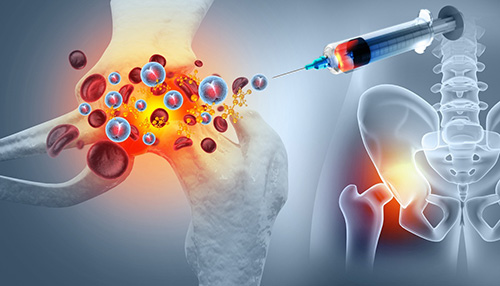
Joint pain, tendon injuries, and arthritis can gradually make everyday activities more difficult, especially for active individuals and athletes. Many patients today are exploring non-surgical treatments that support the body’s natural healing process rather than relying only on medications or surgery. One of the most talked-about regenerative medicine treatments is musculoskeletal PRP therapy, which is designed to promote healing in injured tissues using the patient’s own blood.
What Is Musculoskeletal PRP Therapy?
Musculoskeletal Platelet-Rich Plasma therapy is a regenerative medicine treatment that uses concentrated platelets from your own blood to help repair damaged tissues such as tendons, ligaments, muscles, and cartilage. Platelets contain growth factors that play a critical role in tissue healing and inflammation control. During the procedure, a small sample of blood is drawn and placed into a centrifuge, which separates the platelet-rich plasma from other components of the blood. This concentrated plasma is then carefully injected into the injured area, often using ultrasound-guidance for accuracy. The goal of PRP is to stimulate the body’s natural healing response and improve tissue repair over time.
How PRP Injections Work to Promote Tissue Healing
PRP works by delivering a high concentration of growth factors directly to the injured tissue. These growth factors help stimulate cell regeneration, improve blood flow, and promote collagen production, which is essential for tendon and ligament healing. PRP also helps reduce inflammation in joints and soft tissues, which can improve mobility and function over time. Instead of simply masking symptoms, PRP is intended to support actual tissue healing, which is why it is often used for chronic injuries that have not improved with rest, physical therapy, or medications.
Conditions Treated with Musculoskeletal PRP in Houston
Musculoskeletal PRP is commonly used to treat a wide range of orthopedic and sports medicine conditions. These include knee arthritis, shoulder tendon injuries, rotator cuff tendinitis, tennis elbow, golfer’s elbow, Achilles tendinitis, plantar fasciitis, ligament sprains, and certain muscle injuries. PRP is especially popular among athletes and active individuals because it can help treat injuries while avoiding surgery and long recovery periods. It is also frequently used for patients with mild to moderate arthritis who are looking for non-surgical orthopedic treatment options to manage joint pain and maintain activity levels.
PRP as Part of a Non-Surgical Orthopedic Treatment Plan
In many cases, PRP is part of a broader non-surgical treatment plan offered by Dr. Adam Weglein. This may include treatments such as viscosupplementation injections for knee arthritis, corticosteroid injections for inflammation, sports medicine injury treatment, physical therapy, regenerative medicine treatments, and ultrasound-guided joint injections. Combining these treatments can help address both inflammation and tissue damage, providing a more comprehensive approach to orthopedic and sports medicine care.
What to Expect After a PRP Injection Procedure
After a PRP injection, patients may experience mild soreness or swelling for a few days as the healing response begins. Improvement typically occurs gradually over several weeks as the tissue begins to repair itself. Some patients may benefit from a series of injections depending on the severity of the condition being treated. Most patients are able to return to normal daily activities relatively quickly, although high-impact activities may be limited temporarily to allow proper healing.
Is Musculoskeletal PRP the Right Treatment for You?
Musculoskeletal PRP continues to grow in popularity in Houston because it offers a non-surgical option that focuses on healing injured tissue and improving function rather than simply managing symptoms. For patients dealing with tendon injuries, ligament sprains, arthritis, or sports-related injuries, PRP therapy can be an effective part of a comprehensive orthopedic and sports medicine treatment plan.
Musculoskeletal PRP FAQs
1. How long does it take for PRP to work?
Most patients begin to notice improvement within 4 to 6 weeks after a PRP injection, although full results may take several months as the tissue heals.
2. Is PRP therapy safe?
Yes, PRP is generally considered safe because it uses your own blood, which reduces the risk of allergic reactions or complications.
3. What conditions can musculoskeletal PRP treat?
PRP is commonly used for knee arthritis, tendon injuries, ligament sprains, rotator cuff injuries, tennis elbow, plantar fasciitis, and other sports medicine injuries.
4. Who is a good candidate for PRP therapy?
Patients with mild to moderate arthritis, chronic tendon injuries, ligament injuries, or sports injuries who want to avoid surgery are often good candidates for PRP treatment with Dr. Adam Weglein.
About the Author: Dr. Adam Weglein, D.O. is a board-certified, fellowship-trained specialist in Regenerative Orthopedics and non-surgical sports medicine. As the first certified Prolotherapy physician in central Houston, he has treated over 8,000 patients using advanced PRP combination therapy. Registered in Musculoskeletal Sonography (RMSK), Dr. Weglein utilizes precision ultrasound guidance to ensure the highest clinical outcomes. He remains an international leader in orthobiologics, dedicated to helping patients avoid surgery through innovative, autologous healing techniques.