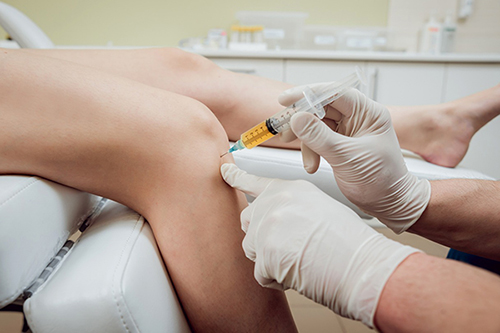
Knee osteoarthritis can gradually turn everyday movements into painful challenges, limiting mobility and affecting overall quality of life. Many individuals in Bellaire, Texas find themselves searching for alternatives to long-term medications or surgery, hoping for treatments that support healing while reducing discomfort. Platelet-rich plasma, commonly known as PRP, has gained attention as a regenerative option for joint pain. This article explores how PRP works, who may benefit, and what patients in Bellaire, Texas can expect.
What is PRP Therapy and How Does it Work?
Platelet-rich plasma therapy is a regenerative treatment that uses components of your own blood to support healing. A small blood sample is drawn and processed to concentrate platelets, which contain growth factors that may help repair damaged tissues.
When injected into the knee joint, PRP is believed to stimulate the body’s natural healing response. In orthopedic and sports medicine practices serving Bellaire, Texas, this approach is often considered for conditions involving cartilage wear, inflammation, and chronic joint pain.
Understanding Knee Osteoarthritis
Knee osteoarthritis occurs when the cartilage that cushions the joint gradually breaks down. This leads to pain, stiffness, swelling, and reduced range of motion. It is commonly associated with aging, previous injuries, or repetitive stress on the joint.
A specialist evaluating patients from Bellaire, Texas typically uses imaging studies and clinical examination to assess the severity of osteoarthritis. Treatment plans are then tailored to the individual, often combining lifestyle changes, physical therapy, and targeted interventions.
Who May Benefit from PRP for Knee Pain in Bellaire, Texas?
PRP therapy is often considered for patients with mild to moderate osteoarthritis who have not achieved sufficient relief from conservative treatments. For many residents of Bellaire, Texas, this option can be appealing when looking to delay or avoid surgical procedures.
Sports medicine physicians frequently incorporate PRP into a broader non-surgical strategy. This may include guided rehabilitation, activity modification, and strengthening programs designed to support joint stability and function.
What to Expect During the PRP Procedure
The PRP procedure is typically performed in an outpatient setting and takes about an hour. After the blood is processed, the concentrated plasma is injected into the knee joint using precise techniques that may include imaging guidance.
Patients from Bellaire, Texas usually return home the same day. Some mild discomfort or swelling can occur after the injection, but this is generally temporary. A structured recovery plan is often recommended, including rest followed by gradual reintroduction of activity.
Recovery and Results: How Effective is PRP?
Results from PRP therapy can vary depending on the severity of osteoarthritis and individual factors. Some patients in Bellaire, Texas begin to notice improvement within a few weeks, while others may take longer to experience benefits.
Research in orthopedic and sports medicine suggests that PRP may help reduce pain and improve function in selected patients. It is often used alongside physical therapy to maximize outcomes and support long-term joint health.
PRP vs Other Treatment Options
PRP is one of several non-surgical options available for managing knee osteoarthritis. Patients in Bellaire, Texas may also explore treatments such as corticosteroid injections, hyaluronic acid injections, and structured rehabilitation programs. Unlike corticosteroids, which primarily reduce inflammation, PRP aims to support tissue healing. While it may not replace surgery in advanced cases, it can be a valuable option for those seeking a more regenerative approach.
Frequently Asked Questions
Does PRP really work for knee osteoarthritis?
PRP may help reduce pain and improve function in some patients with mild to moderate osteoarthritis, including many individuals treated in Bellaire, Texas, although results can vary.
How long does PRP last in the knee?
Relief from PRP can last several months to over a year for some patients, depending on the condition of the joint and activity level.
Is PRP better than steroid injections for knee pain?
PRP and steroid injections serve different purposes. Steroids reduce inflammation quickly, while PRP aims to support longer-term healing.
How many PRP injections are needed for knee osteoarthritis?
Some patients benefit from a single injection, while others may require a series of treatments based on their response and severity of symptoms.
Is PRP treatment painful?
Most patients experience mild discomfort during the injection, but the procedure is generally well tolerated and performed with supportive measures for comfort.
Exploring Your Options for Knee Pain Relief in Bellaire, Texas
PRP therapy represents an evolving approach in orthopedic and sports medicine, offering a potential option for managing knee osteoarthritis without immediate surgery. For individuals in Bellaire, Texas, understanding available treatments is key to making informed decisions about joint health. If knee pain is affecting your daily life, consulting a qualified specialist can help determine whether PRP or another treatment is the right choice for you.
Authorship: Dr. Adam Weglein, D.O. is a board-certified, fellowship-trained specialist in Regenerative Orthopedics and non-surgical sports medicine. As the first certified Prolotherapy physician in central Houston, he has treated over 8,000 patients using advanced PRP combination therapy. Registered in Musculoskeletal Sonography (RMSK), Dr. Weglein utilizes precision ultrasound guidance to ensure the highest clinical outcomes. He remains an international leader in orthobiologics, dedicated to helping patients avoid surgery through innovative, autologous healing techniques.